MemoHoney Official Website › Articles › Batches and traceability
Batches and traceabilityWhat A Lot Number On A Supplement Bottle Is Actually For
A lot number identifies one production run, and nothing else.
It is not a test result and it discloses no amount. What it does is commit a seller in advance to the batch they are shipping, which is the only verification step a buyer can perform without a laboratory.
The number nobody reads
Turn almost any supplement bottle over and somewhere near the base there is a short string of characters, usually stamped rather than printed, often alongside a date. On this product it reads MEM-26/ME-5895. Most buyers have never looked at it and almost nobody knows what it is for.
It is the most quietly useful thing on the container, and it is also routinely oversold. A lot number is not a test result, it does not say what is in the capsule, and a seller printing one has not thereby proved anything about quality. What it does is answer a narrower question with unusual precision: which production run this particular bottle came out of.
That turns out to matter more than it sounds, and this article is about why.
What follows is information about a dietary supplement and not advice about anybody's health. Forgetfulness somebody else has remarked on, or a decline that is visibly steeper this month than last, is a reason to book an appointment rather than to read further. MedlinePlus lists what is worth mentioning when you do.
What a production run actually is
A supplement is not made one bottle at a time. Raw material arrives in sacks, is weighed and blended into a batch, the batch is encapsulated, and the capsules are counted into bottles until the batch runs out. Everything that comes out of that single blend shares one identity, and the lot number is that identity written down.
Behind it, at a facility working properly, sits a batch record: which sacks of which raw material went in, from which supplier, with which incoming test results, who ran the blender, what the machine settings were, how many capsules came out and how many were rejected. That record is the thing a GMP audit is actually auditing, which is why the emblem on the bottle is a statement about a building's paperwork rather than about your capsule.
The reason any of this exists is traceability in one specific direction. If a problem is found in one bottle, the lot number says which other bottles came from the same blend. Without it, a recall is either everything the company ever made or nothing at all.
| What is tied to a lot | What it lets somebody do |
|---|---|
| The blend record | Trace a problem back to a specific raw material delivery from a specific supplier |
| The incoming test results | Check what was known about that material before it went into the blender |
| The production date | Establish shelf life and set the best-before date printed beside it |
| The bottles it filled | Recall exactly those and not the rest of the company's output |
| The certificate of analysis | Report what a sample of that blend contained, if one was taken and if it is released |
Five different records, one identifier. The buyer sees the identifier and none of the records, which is the whole limitation of it.
What a lot number settles for a buyer
Very little on its own, and that is worth being honest about on a page that prints one in the masthead. A run number is a label rather than a measurement. Four things it does settle are still worth having.
It settles which run your bottle belongs to, so two bottles from the same order can be checked against each other and against what the seller published. It settles the shelf-life question, because the best-before date is printed beside it. It gives the order desk something specific to look up when a caller has a problem. And it commits the seller in advance, which is the part this counter cares about most.
That last point is the interesting one. Publishing a lot number before a purchase is a small, checkable promise: this is the batch we are shipping. It costs nothing to make and it is easy to break, and a seller who will not make it has removed the only verification step available to somebody holding the bottle.
What it does not settle, at all
Three things get read into a lot number that are not in it.
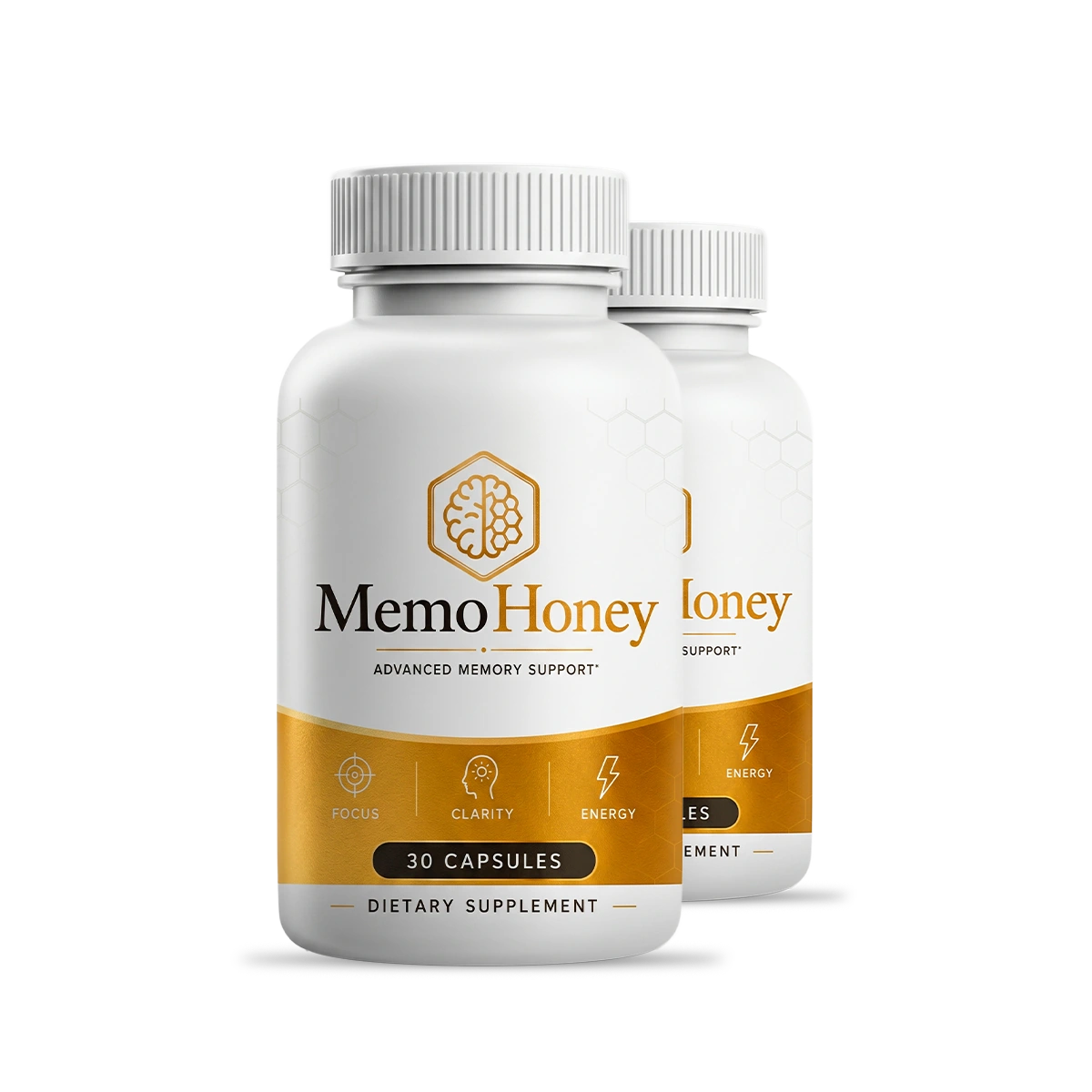
It says nothing about the amount of anything. A run number identifies a blend; it does not disclose the blend. On this product the supplied artwork carries no Supplement Facts panel, so the milligram question is open whatever is stamped on the base, and the trial comparison is what this website publishes in its place.
It says nothing about testing. A certificate of analysis is a laboratory document reporting what a sample contained. A certificate reference, such as the MEM-5895-26-ME printed on this counter, is the label on that document's filing cabinet. This desk holds the reference and has asked for the document, and says so rather than letting the reference imply the document.
And it says nothing about where the raw material came from. The made-in-the-USA emblem on the bottle is about filling and capping. Bulk amino acids are commodity fermentation products and are very often manufactured elsewhere, which is ordinary rather than sinister and is not something a lot number reveals.
Read the MemoHoney label with this beside you
Six named ingredients, the amount each published trial used printed next to them, and 60 days from the date of purchase to decide.
Two bottles $158 · six bottles $294 · 60-day money-back guarantee
Take Me To The MemoHoney CheckoutRun MEM-26/ME-5895 · a single capsule each morning · thirty in every bottle · posted within the U.S.
How to use the number when the box arrives
- Check the seal before anything else. An intact induction seal means the bottle has been closed since it was filled.
- Turn the bottle over and find the stamp. On this product it should read MEM-26/ME-5895, alongside a best-before date.
- Compare it with what the seller published before you paid. On this counter that number is in the masthead, in the footer and on every pack card.
- If they differ, telephone the order line with the order ID and ask which run shipped against your order. Runs change and stock moves, so a difference is usually nothing.
- If the seller cannot or will not answer, that is the finding. A run number that nobody will stand behind is decoration.
Not is this bottle genuine, which nobody on a telephone can answer. Ask which lot shipped against your order, and whether a certificate of analysis for that lot can be sent to you. The answer to the second question tells you more about a seller than the answer to the first.
Why this is the check worth having
Supplements are a category where the buyer can verify almost nothing. You cannot assay a capsule at your kitchen table. You cannot audit a facility. You cannot read a batch record. Nearly everything on a label is a claim you either accept or do not.
Against that background the small checkable things are worth a disproportionate amount. A lot number published in advance and matching the bottle. A seller of record with a street address. A refund window with a start date you can name. A telephone line that a person answers. None of those proves the capsule works, and all of them are things a seller who intends to disappear would rather not provide.
The category has genuine bad actors, which is why any of this matters. An analysis of cognitive-enhancement supplements found an unapproved drug in products sold as dietary supplements in this market. The defences a buyer actually has are a complete named ingredient list, a seller who can be reached, and a bottle that matches what was published about it.

What happens when a lot is actually recalled
Most buyers will never see one, which is why the mechanism is invisible. It is worth a paragraph because it is the reason lot numbers exist at all.
A problem surfaces, usually from an incoming material test, a routine finished-product assay or a complaint pattern. The manufacturer works backwards through the batch record to establish which blend was affected, then forwards to establish which bottles came out of it and where they went. The public notice names the lot, and a consumer holding a bottle can tell in five seconds whether it is theirs.
Without that identifier the choice is between recalling everything and recalling nothing, and in practice companies recall nothing, because recalling everything is ruinous. That is the whole argument for the stamp on the base, and it is an argument about the worst case rather than the normal one.
The practical consequence for a reader is small and specific: keep the bottle, not just the capsules. A pill organiser is a fine thing and a pill organiser with no lot number attached to it is a supply you can no longer identify.
- It identifies one production run, and nothing else
- It is stamped on the base of the bottle, beside a best-before date
- Published before purchase, it is a small promise a seller can be held to
- It is not a test result and does not disclose any amount
- A certificate reference identifies a document, which is not the same as holding one
One number, honestly described
This counter prints MEM-26/ME-5895 in three places, and the reason is not that a run number proves anything about the formula. It is that it is the only thing on this entire website a reader can independently check against the object that arrives in the post.
Everything else here is a claim, a price, a quotation or a piece of reasoning. Those are worth something in proportion to how carefully they are sourced, and this website works hard at that. But a stamp on the base of a bottle that matches a stamp on a web page is a different kind of thing entirely, and it is worth ten seconds of anybody's attention.
The batch verification page has the whole procedure, including what to do when the numbers do not match.
- Read for this counter: The unapproved drug centrophenoxine (meclofenoxate) in cognitive enhancement dietary supplements, as reported by Cohen PA, Avula B, Khan I in Clin Toxicol (Phila), 2022;60(10):1156-1158 [PubMed 35959800]
- Agency page: Questions and Answers on Dietary Supplements, issued by U.S. Food and Drug Administration [www.fda.gov]
- Agency page: Using Dietary Supplements Wisely, issued by National Center for Complementary and Integrative Health, National Institutes of Health [www.nccih.nih.gov]
- Agency page: Memory, issued by MedlinePlus, U.S. National Library of Medicine [medlineplus.gov]